Pressure washing your home might seem like a straightforward task, ideal for the hands-on homeowner eager to save some money. However, the process involves more than simply blasting surfaces with high-pressure water. DIY pressure washing presents numerous challenges, including safety risks, potential property damage, and the need for technical understanding. While the idea of operating your pressure washer may sound appealing, it's essential to consider the full scope of responsibilities and potential pitfalls. This article will explore why you should reconsider the DIY approach and instead evaluate the benefits of hiring professionals for pressure washing your home.
The Risks of DIY Pressure Washing
Potential for Personal Injury
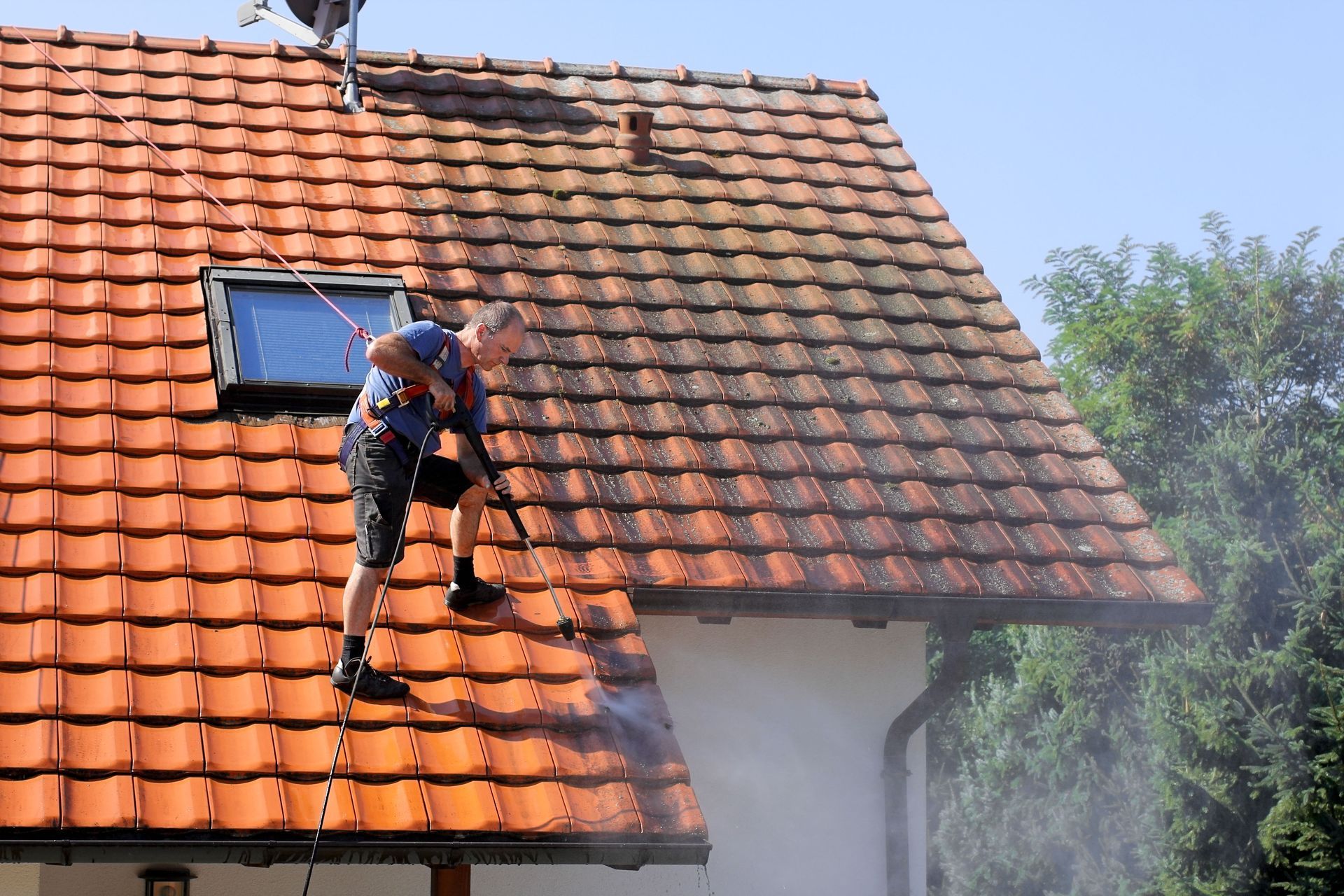
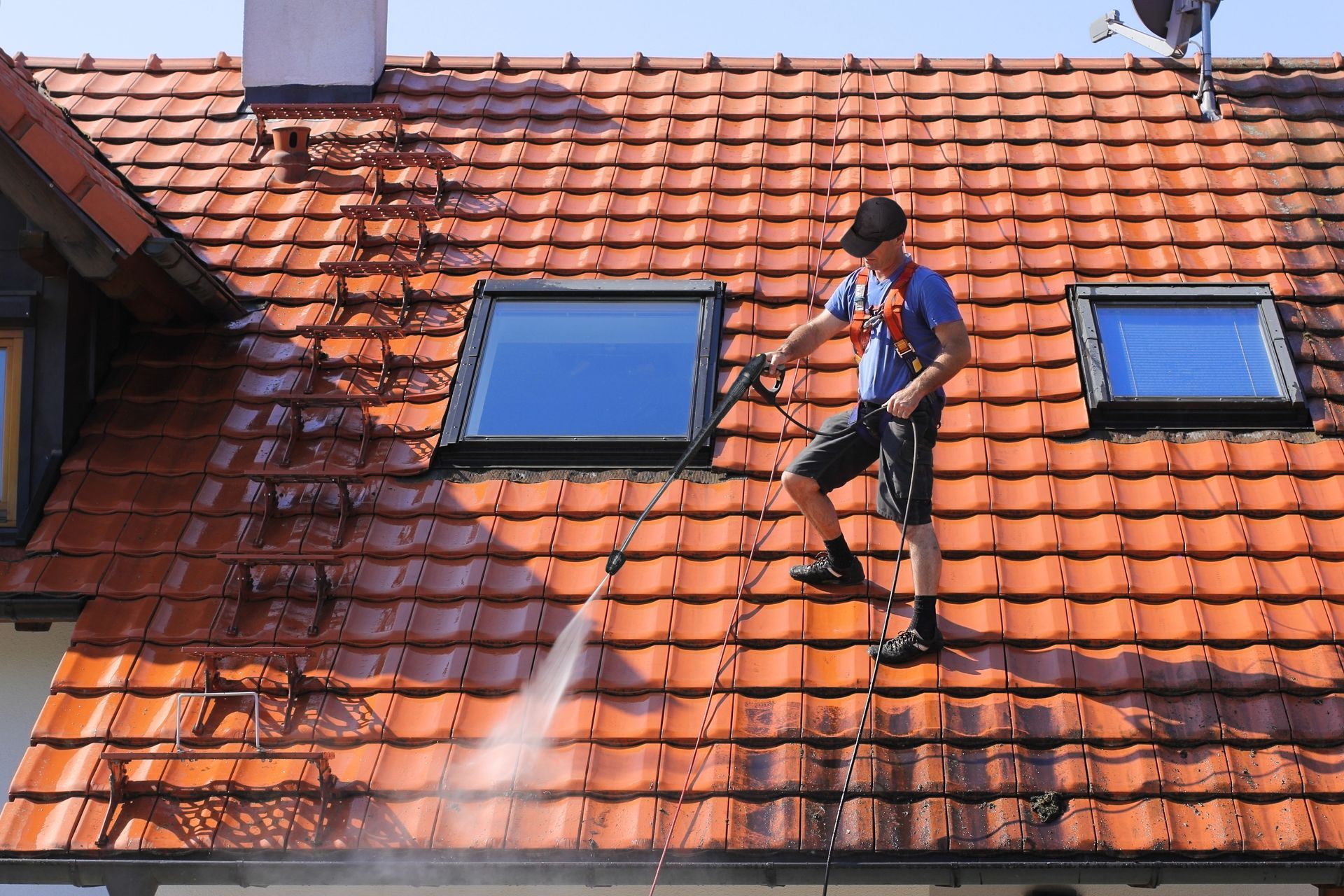
One of the most significant risks associated with DIY pressure washing is the potential for personal injury. The pressure exerted by these machines is powerful enough to cause severe skin abrasions if mishandled. Additionally, the force can lead to loss of balance, resulting in falls and related injuries, especially when working on ladders or uneven surfaces. Novice operators may not be aware of the appropriate safety measures such as wearing protective gear and maintaining a stable footing. Understanding and respecting the power of these machines is crucial for safe operation.
Damage to Property
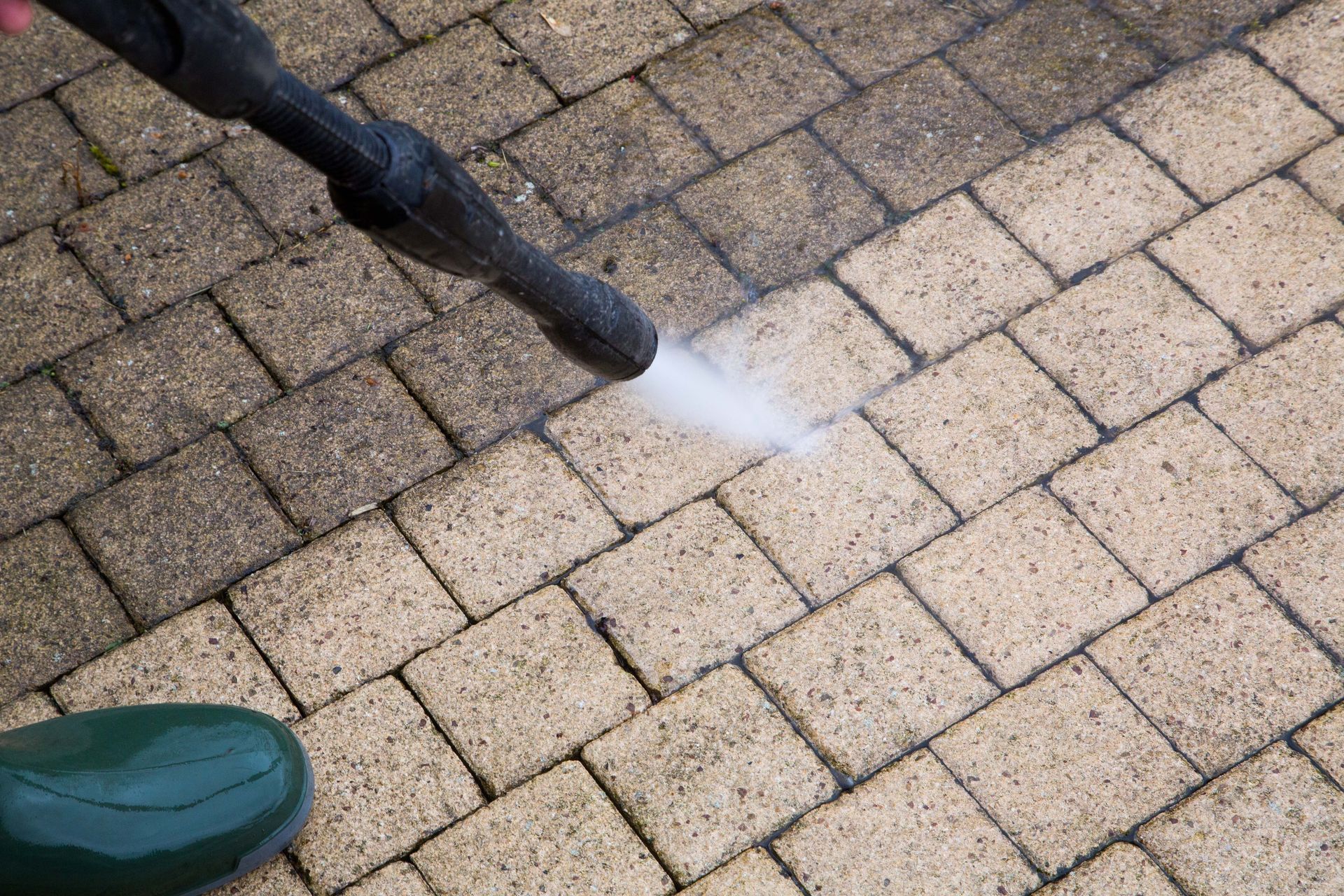
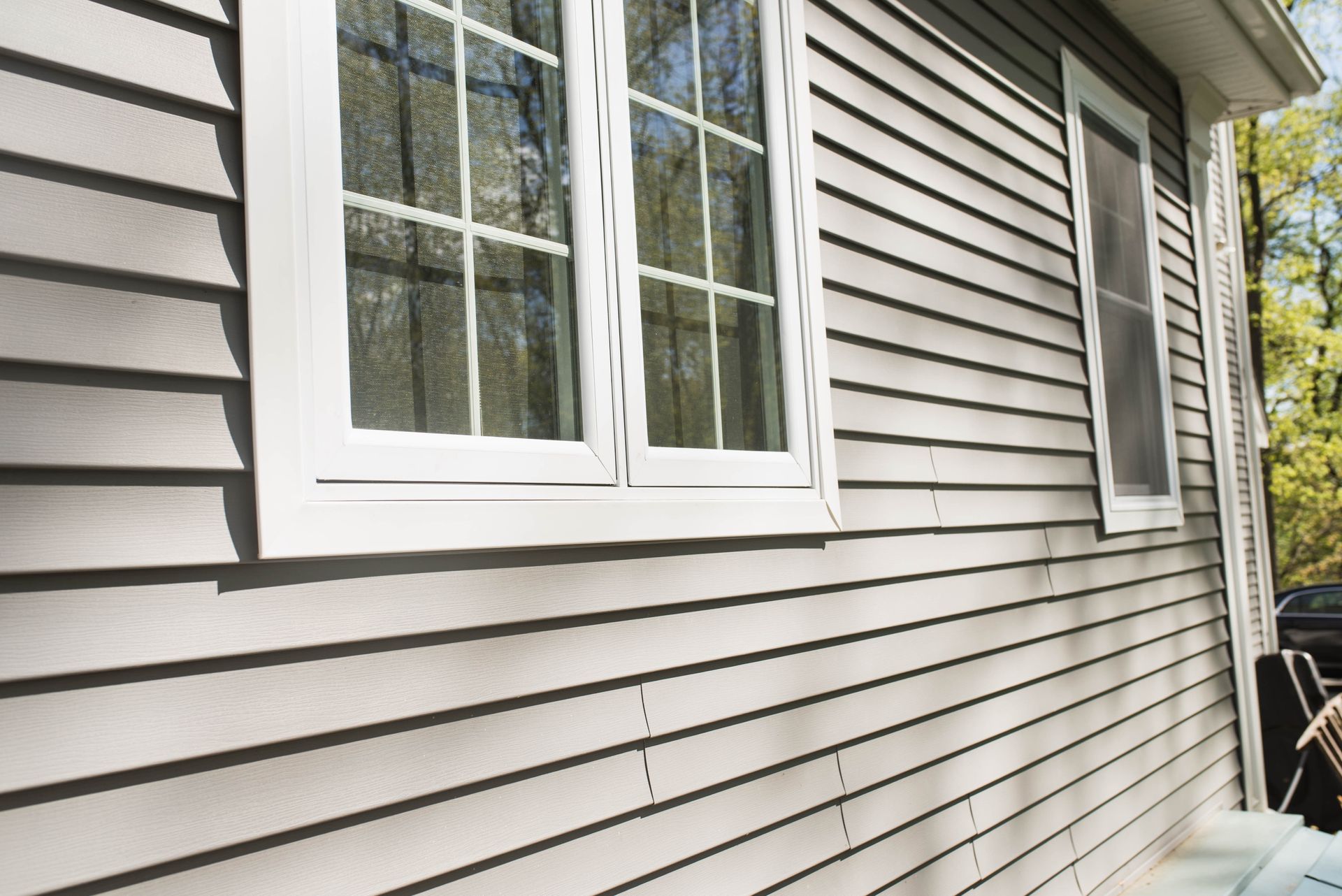
Besides personal injury, improper use of pressure washers can result in costly damage to your property. High-pressure water streams can strip paint, dent siding, or even shatter glass if applied incorrectly. Different surfaces require different pressure levels, and using too high a psi (pounds per square inch) can lead to irreversible damage. For example, according to The Spruce, a pressure washer with a psi between 2,000 and 3,000 for exterior vinyl siding, decks, and patios is recommended. Without expert knowledge, homeowners might struggle to balance cleaning effectiveness with surface preservation.
Improper Equipment Handling
Proper equipment handling is another critical aspect that DIYers often underestimate. It requires more than just pointing and spraying; one needs to adjust pressure settings, choose suitable nozzles, and use detergents correctly. Inexperienced users may skip steps, leading to inefficient cleaning and wasted resources. Furthermore, incorrect handling can result in equipment malfunction, requiring costly repairs or replacements. Mastery of pressure washing equipment typically comes with training and experience, underscoring the challenge for DIY enthusiasts.
Misjudging Surface Suitability
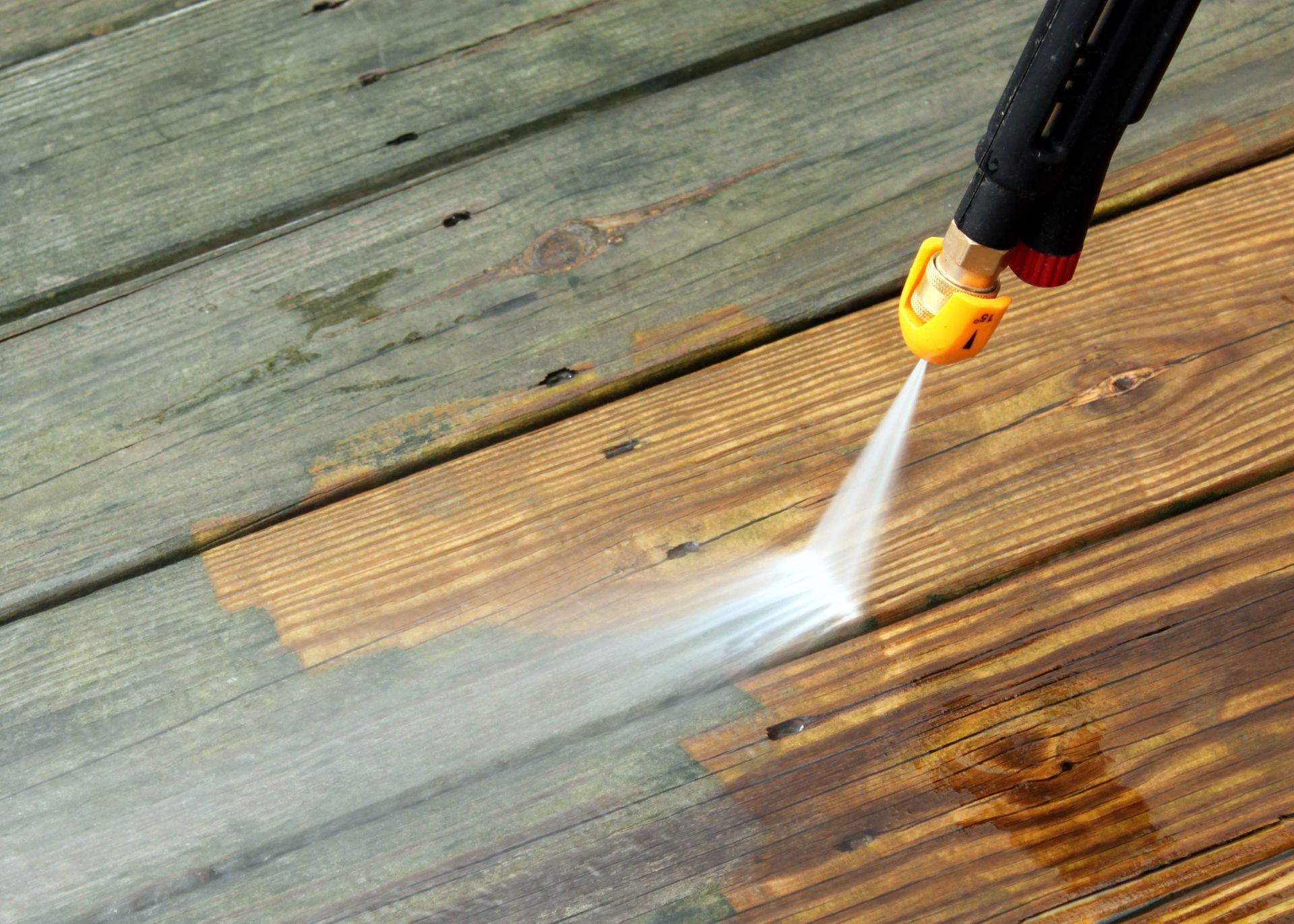
An often overlooked risk is misjudging the suitability of surfaces for pressure washing. Not all materials in residential properties can withstand high-pressure cleaning. Delicate surfaces such as wood, architectural details, or older structures may be particularly vulnerable. Mistakenly applying high pressure to these areas can weaken structural integrity or remove protective finishes. Identifying surface types and understanding their compatibility with pressure washing is vital and typically requires professional insight.
Inadequate Safety Precautions
Inadequate safety precautions elevate the risks associated with DIY pressure washing. Operators can often neglect essential safety gear, such as goggles, gloves, and non-slip footwear, leading to preventable injuries. Additionally, without a proper understanding of electrical and water safety, users are at risk of severe electric shocks. Professionals are trained to implement stringent safety measures, minimizing risks to themselves and the property. For DIY users, a lack of awareness poses a significant threat to personal and property safety.
Understanding Surface Materials and Needs
Identifying Different Surface Types
Accurate identification of surface materials is crucial when pressure washing a home. Different surfaces such as wood, brick, vinyl, and concrete each require specific approaches to avoid damage. Wood surfaces, for instance, can splinter under high pressure, while bricks and mortar can erode if handled improperly. This determination can be challenging without in-depth knowledge of construction materials. Professionals possess the expertise to assess surfaces and adapt their techniques accordingly, providing effective cleaning with minimal risk.
Recognizing Pressure Sensitivity
Recognizing the pressure sensitivity of a surface is vital to prevent damage. Surfaces react differently to pressure; understanding the right psi level for each is imperative. However, without this insight, a homeowner could unknowingly use excessive pressure and cause damage. Navigating these technicalities requires a certain level of expertise and experience typically held by professional pressure washers.
Choosing Correct Detergents
Detergent selection is another critical aspect of pressure washing, but DIYers may not always make the best choices. Using the wrong detergent can cause residue buildup, damaging surfaces and hindering the cleaning process. Various surfaces require specific cleaning solutions to effectively break down dirt without harming the material. Additionally, many consumers may not realize that certain chemicals must be avoided to prevent environmental harm. Professionals can identify appropriate detergents and apply them effectively, ensuring thorough cleaning while protecting the environment.
Preventing Water Intrusion
Water intrusion is a significant concern during pressure washing, particularly for homes with older or weaker structural elements. Incorrect spray angles or too much force can cause water to penetrate interior spaces, leading to moisture buildup and potential mold growth. Preventing such intrusion requires precision and practice, often lacking in DIY efforts. Professionals understand how to balance pressure and angle to prevent water from entering unwanted areas. This expertise helps maintain the integrity of the home while ensuring thorough cleaning.
Long-term Impact on Surfaces
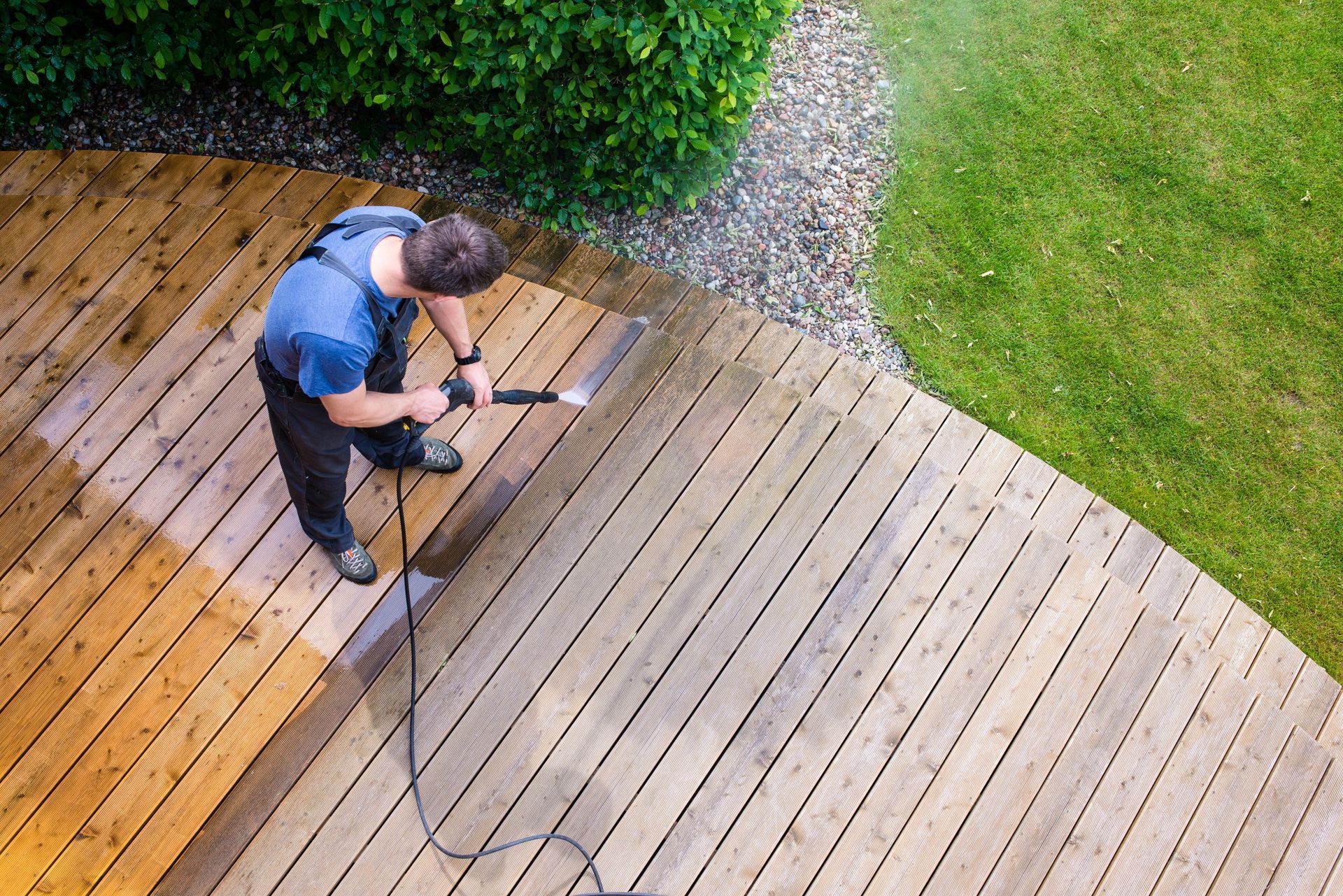
The long-term impact on surfaces is another factor that DIY enthusiasts might overlook. Repeated exposure to high-pressure cleaning can wear down materials, diminishing their lifespan and aesthetic appeal. For instance, wood surfaces may lose their protective finish, leading to quicker deterioration over time. By understanding the delicate balance of pressure and cleaning frequency, professionals can maintain a home's appearance while prolonging material longevity. In contrast, DIY attempts may inadvertently hasten surface wear and tear.
Technical Challenges and Equipment Proficiency
Limited Understanding of PSI Levels
A fundamental challenge of DIY pressure washing is a limited understanding of psi levels. Psi measures the force of water spray, but without proper knowledge, an operator risks using insufficient or excessive pressure. Most surfaces, such as vinyl siding or wooden decks, require particular psi levels to avoid damage. Professionals are trained to assess and apply the appropriate pressure settings, based on surface material and condition. DIY enthusiasts might not have the technical proficiency to make these crucial adjustments, resulting in potential damage and inefficiencies.
Equipment Accessibility and Maintenance
Access to and proper maintenance of pressure washing equipment poses another challenge for DIYers. High-quality equipment used by professionals is expensive and often unavailable for personal use. Additionally, owning such equipment necessitates regular maintenance, which can add to overall costs. Professional pressure washing services provide not only the appropriate machinery but also ensure it is well-maintained and functioning at optimal levels. For the occasional DIY user, investing in and maintaining such equipment may be financially impractical.
Knowledge of Nozzle Selection
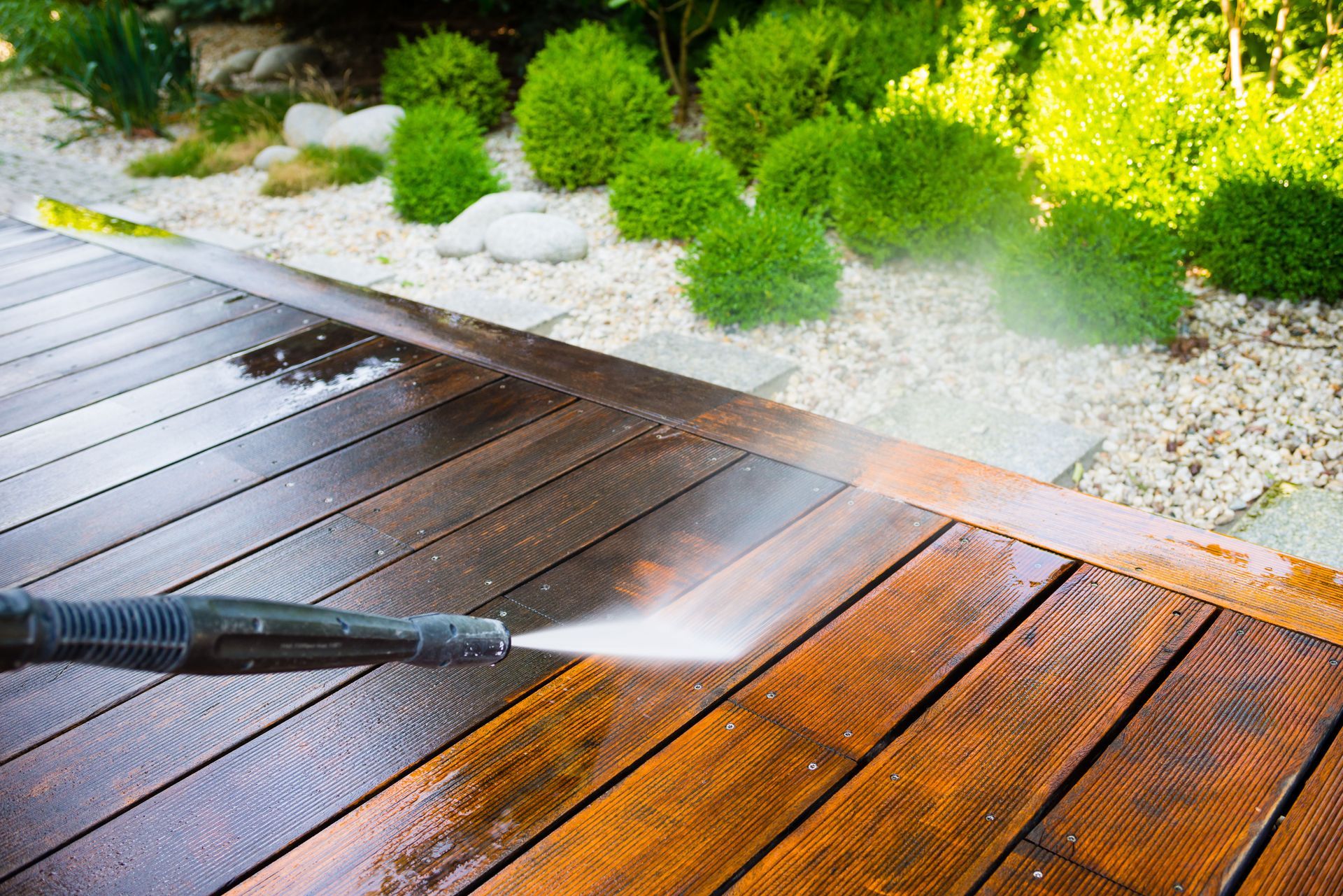
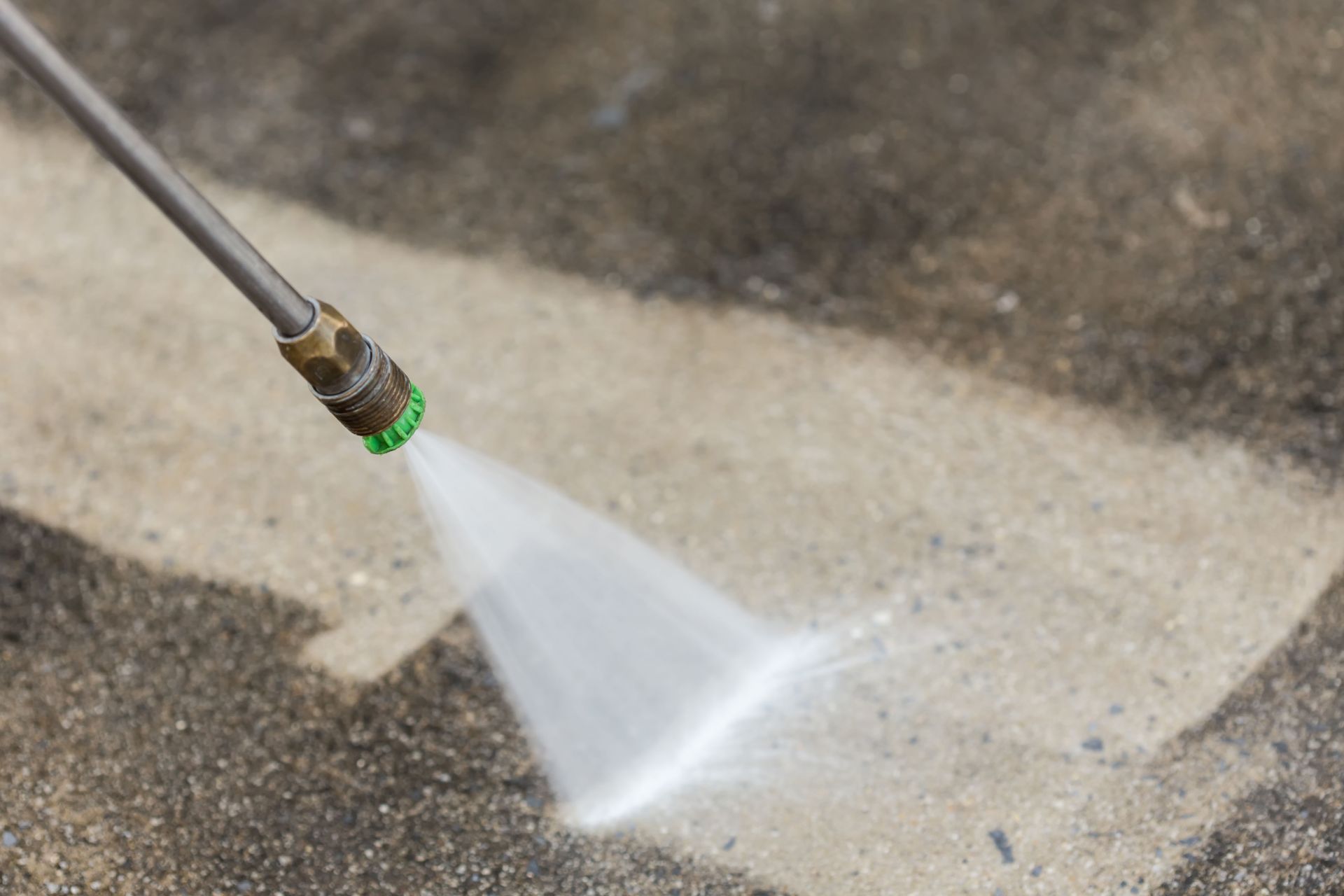
Choosing the correct nozzle is vital for effective pressure washing, a task that requires situational knowledge. Different nozzles alter the spray pattern and pressure; selecting the wrong one can lead to inadequate cleaning or surface damage. Professionals are trained to select the correct nozzles for specific tasks, such as removing tough stains or gently cleaning delicate surfaces. A DIYer might not possess the understanding needed for such selections, which could compromise the cleaning task's success. Errors in nozzle choice are common pitfalls for those unfamiliar with pressure washer accessories.
Managing Water Flow and Pressure
Successfully managing water flow and pressure requires a nuanced understanding of equipment operation. Balancing these elements is crucial for effective cleaning while protecting surfaces from damage. While professionals are adept at making these fine-tuned adjustments, DIY users often struggle with this aspect of pressure washing. Lack of experience can lead to inconsistent flow, uneven cleaning, or over-pressurization, risking damage. Mastering such technicalities typically requires practice and expertise not commonly held by amateur operators.
DIY pressure washing may initially seem like a cost-saving approach, but the associated risks and challenges underscore the value of professional services. From the physical dangers of handling pressure washers to the technical demands of effective cleaning, DIY efforts often present more problems than they solve. Professional services bring expertise, specialized equipment, and comprehensive coverage, ensuring the task is tackled efficiently and safely. If you're looking for professional pressure washing services, contact Pullin Hose Pressure Washing LLC today.
Share On: