


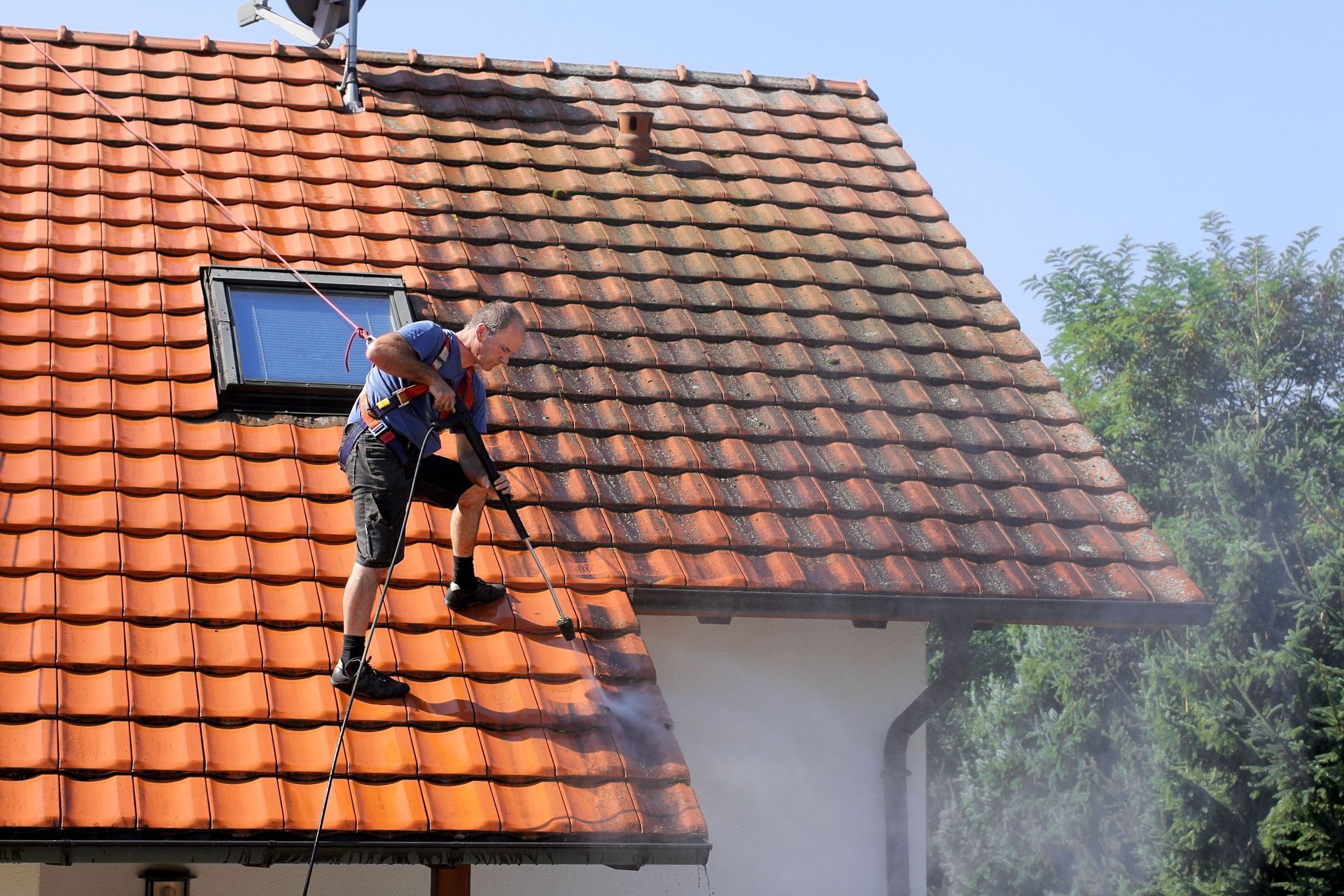
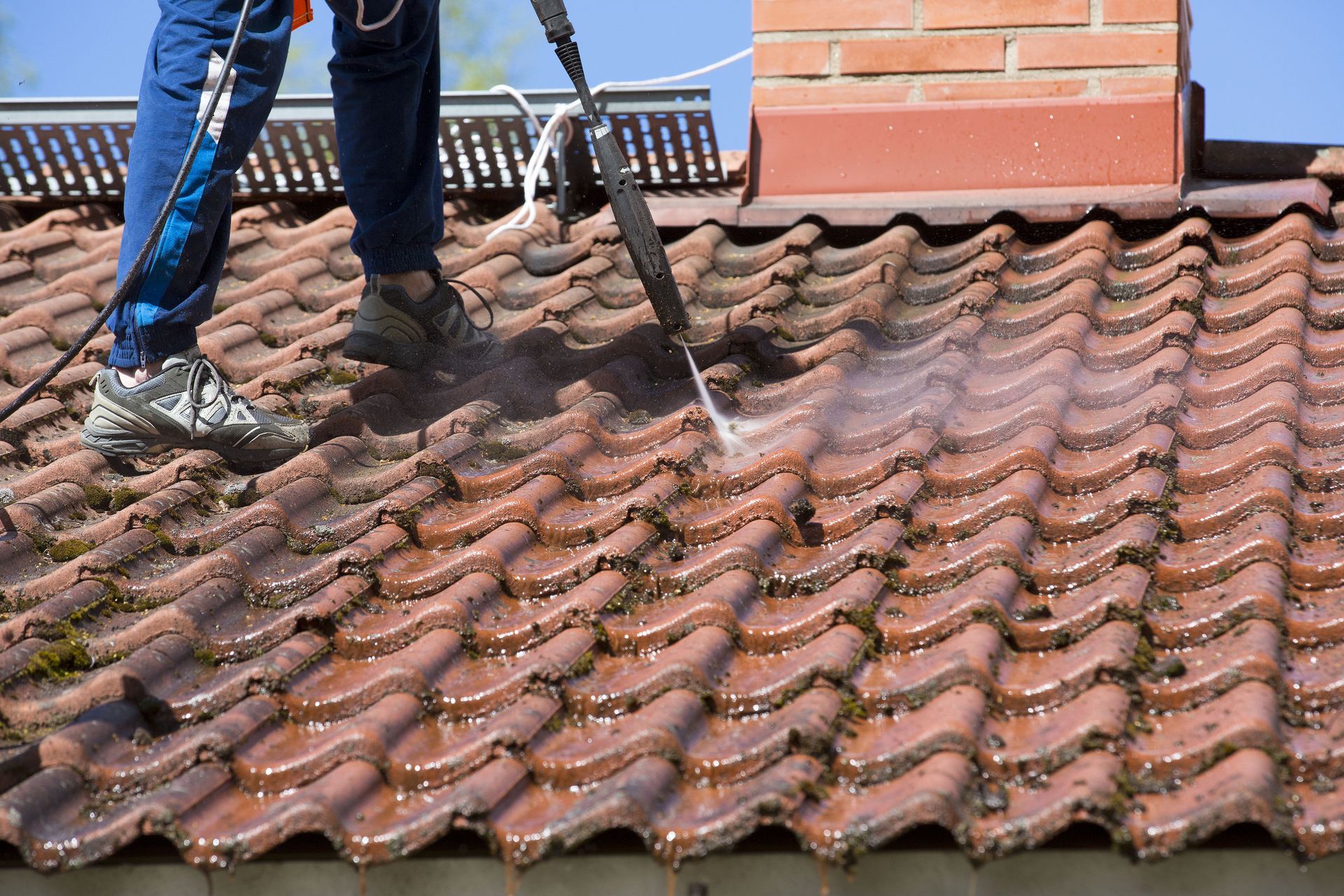
Maintaining an attractive and structurally sound property requires consistent attention to outdoor surfaces. Over the course of changing seasons, atmospheric pollutants, airborne spores, dynamic weather patterns, and organic debris settle onto building exteriors. Left unaddressed, these contaminants gradually form stubborn layers of grime, slippery algae patches, and discolored mineral streaks that detract from neighborhood curb appeal. Homeowners often notice these changes gradually, realizing over time that basic garden hose rinsing is no longer sufficient to dislodge deeply embedded buildup. Incorporating regular pressure cleaning into your seasonal maintenance routine ensures that stubborn residues are removed completely before they cause permanent staining or material deterioration.
Every exterior zone of your residential property interacts with natural elements differently, meaning certain areas accumulate moisture, shade, and ground grime faster than others. Porous materials absorb rainwater mixed with environmental dirt, while smooth vertical siding attracts airborne particulates carried by regional breezes. Recognizing precisely which locations demand specialized attention helps homeowners prioritize exterior maintenance tasks efficiently. A targeted outdoor washing approach restores original vibrancy, improves surface traction underfoot, and preserves building integrity throughout the changing seasons of the year.
1. Concrete Driveways and Walkways
Driveways and walking paths represent some of the highest-traffic exterior zones on any residential parcel. As vehicles enter and exit daily, concrete surfaces inevitably absorb oil drips, coolant residues, rubber tire marks, and transmission fluids. Meanwhile, ambient moisture allows black mold colonies and slick green algae to take root within the tiny pores of untreated concrete. These contaminants do not merely degrade the welcoming aesthetic of your front entry; they also present serious slip hazards during damp mornings, foggy evenings, or rainy afternoons.
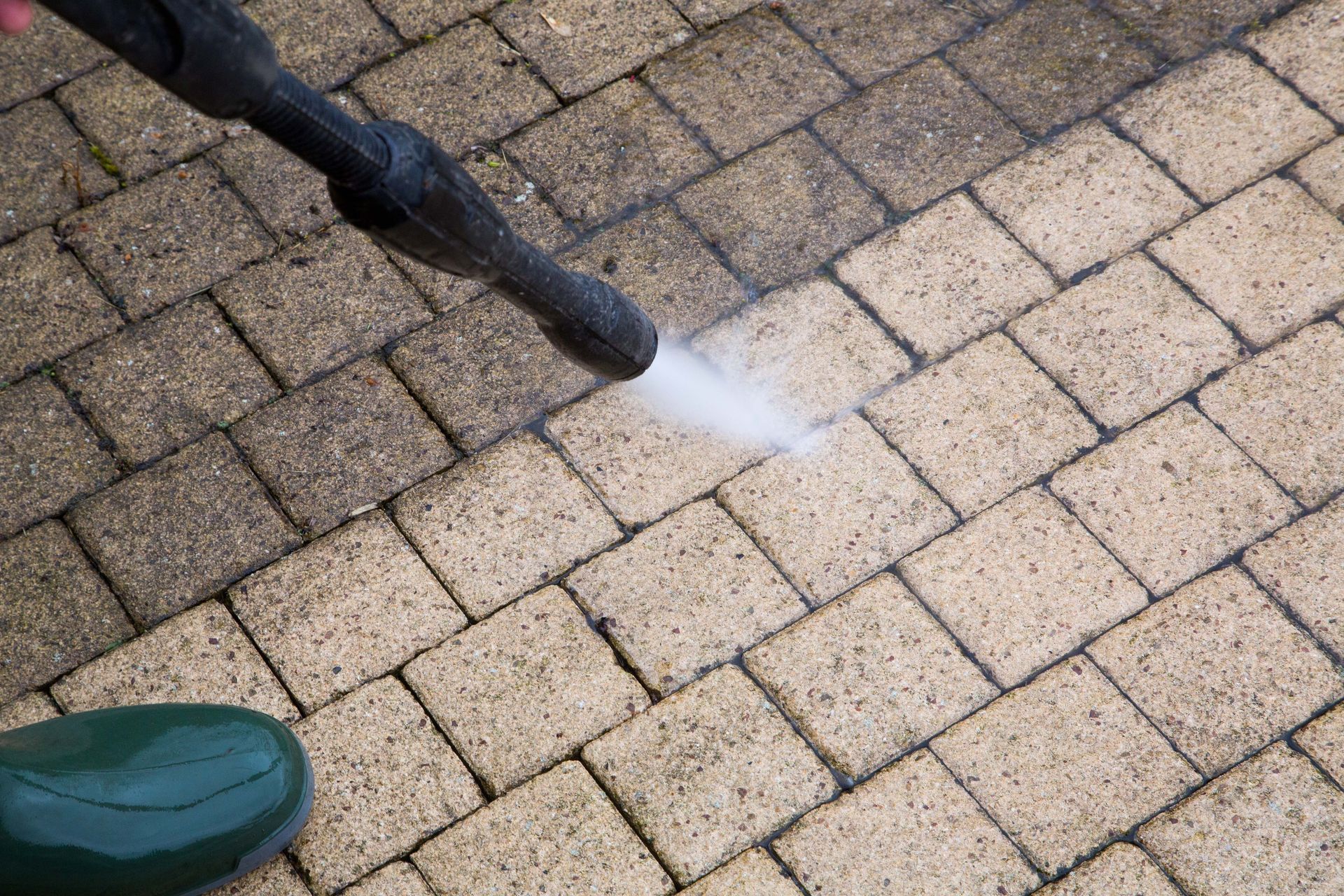
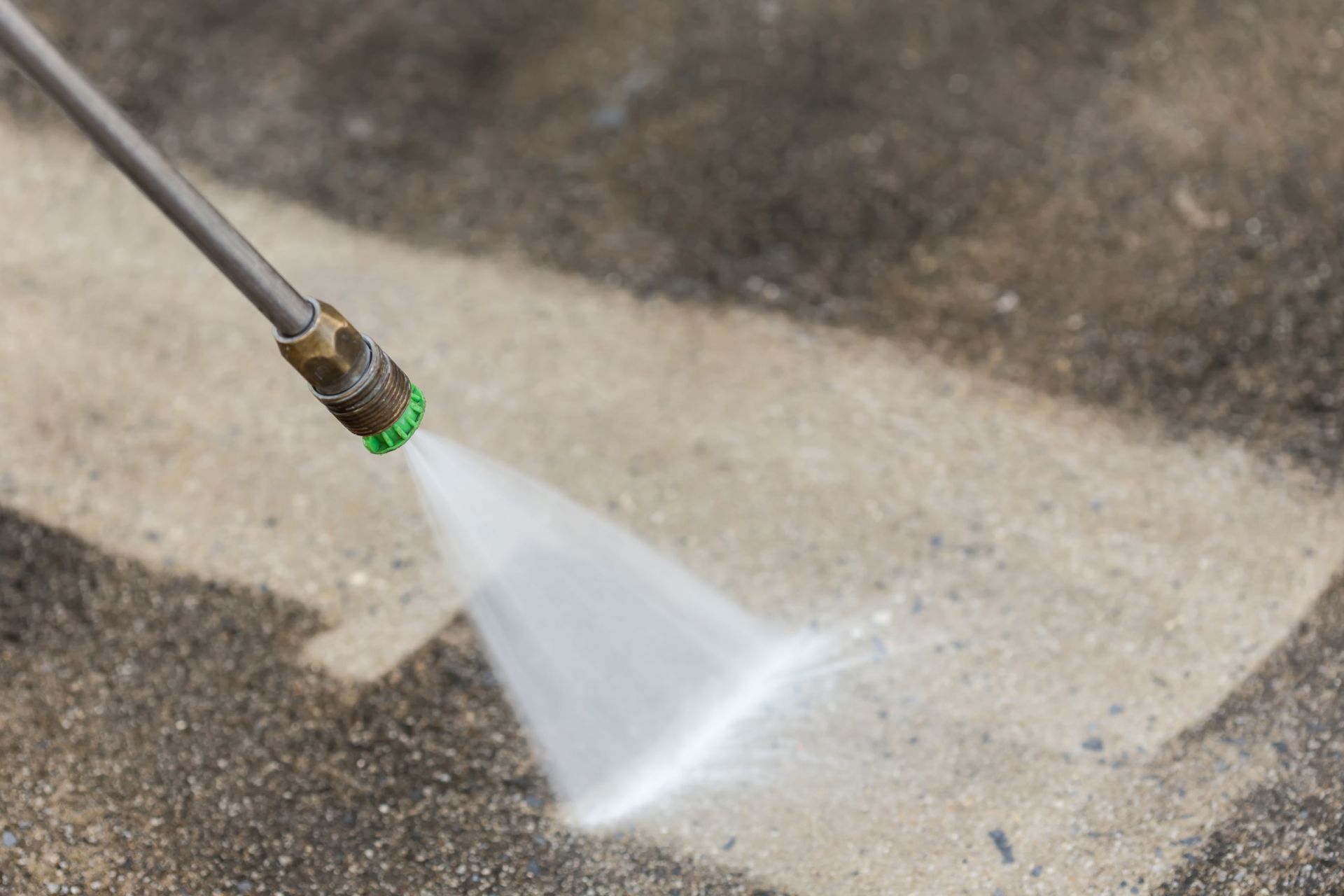
Standard garden hoses simply lack the mechanical force necessary to extract deeply embedded contaminants from rigid masonry pores. Utilizing professional pressure cleaning effectively lifts stubborn automotive fluids, eradicates invasive spores, and purges ground-in dirt from horizontal flatwork. Clearing away slick biological films restores safe surface traction for family members and arriving visitors alike. Furthermore, thorough washing prevents invasive organic roots from expanding micro-fissures within the concrete slab, preserving foundational stability across heavy vehicle parking zones and pedestrian approach ways.
Periodic treatment clears away built-up grit before microscopic surface erosion can compromise flatwork integrity. Clean concrete walkways also frame surrounding landscaping neatly, instantly brightening the overall approach to your front door.
2. Wooden and Composite Decks
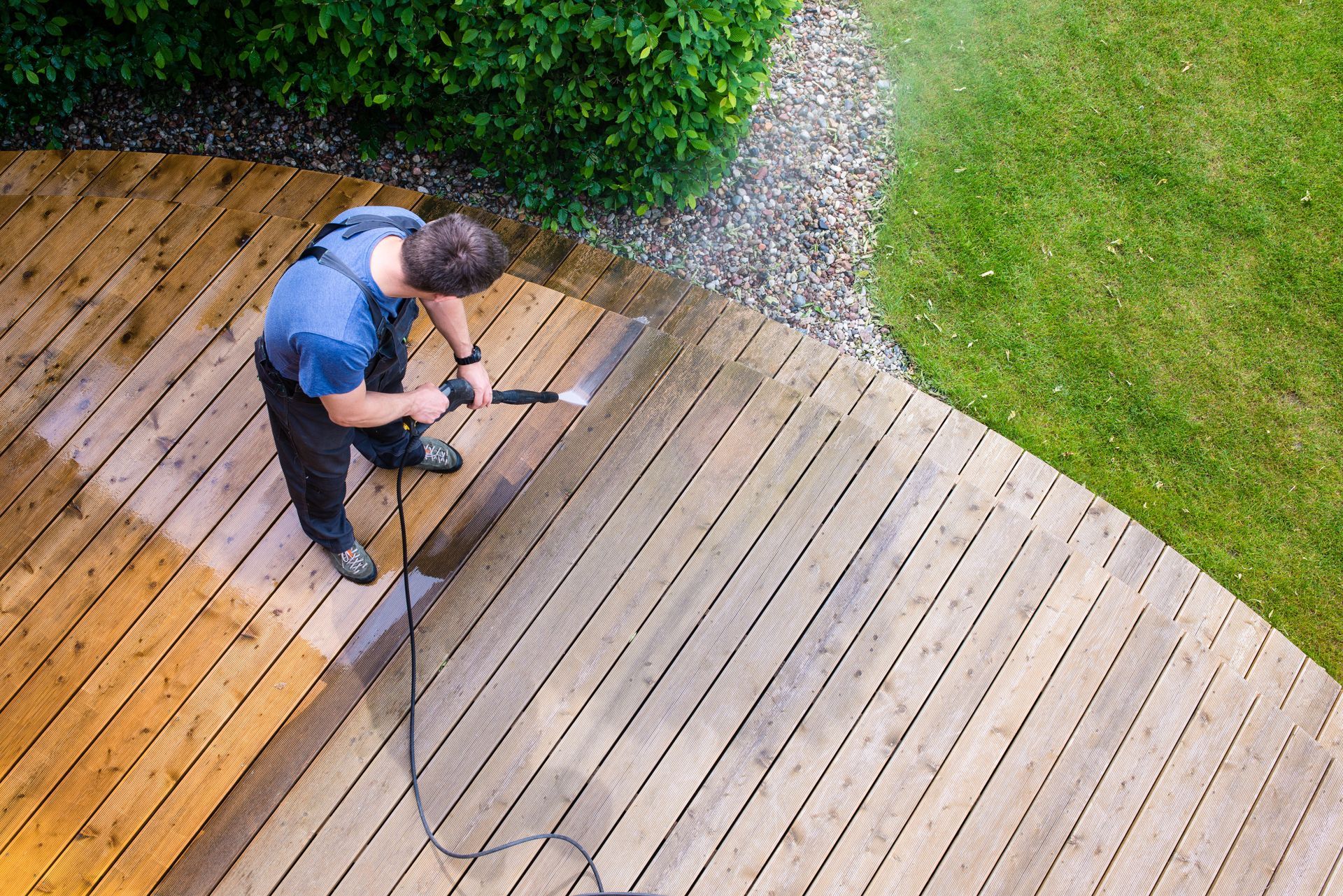
Outdoor decking serves as a cherished venue for family gatherings, weekend barbecues, and evening relaxation. Because horizontal decking boards endure constant exposure to harsh sunlight, falling leaves, pollen drifts, and standing rainwater, biological growths readily establish themselves across exposed planks. When organic material decomposes in shady crevices between individual boards, slimy fungal residues create dangerously slick walkways across outdoor entertainment areas.
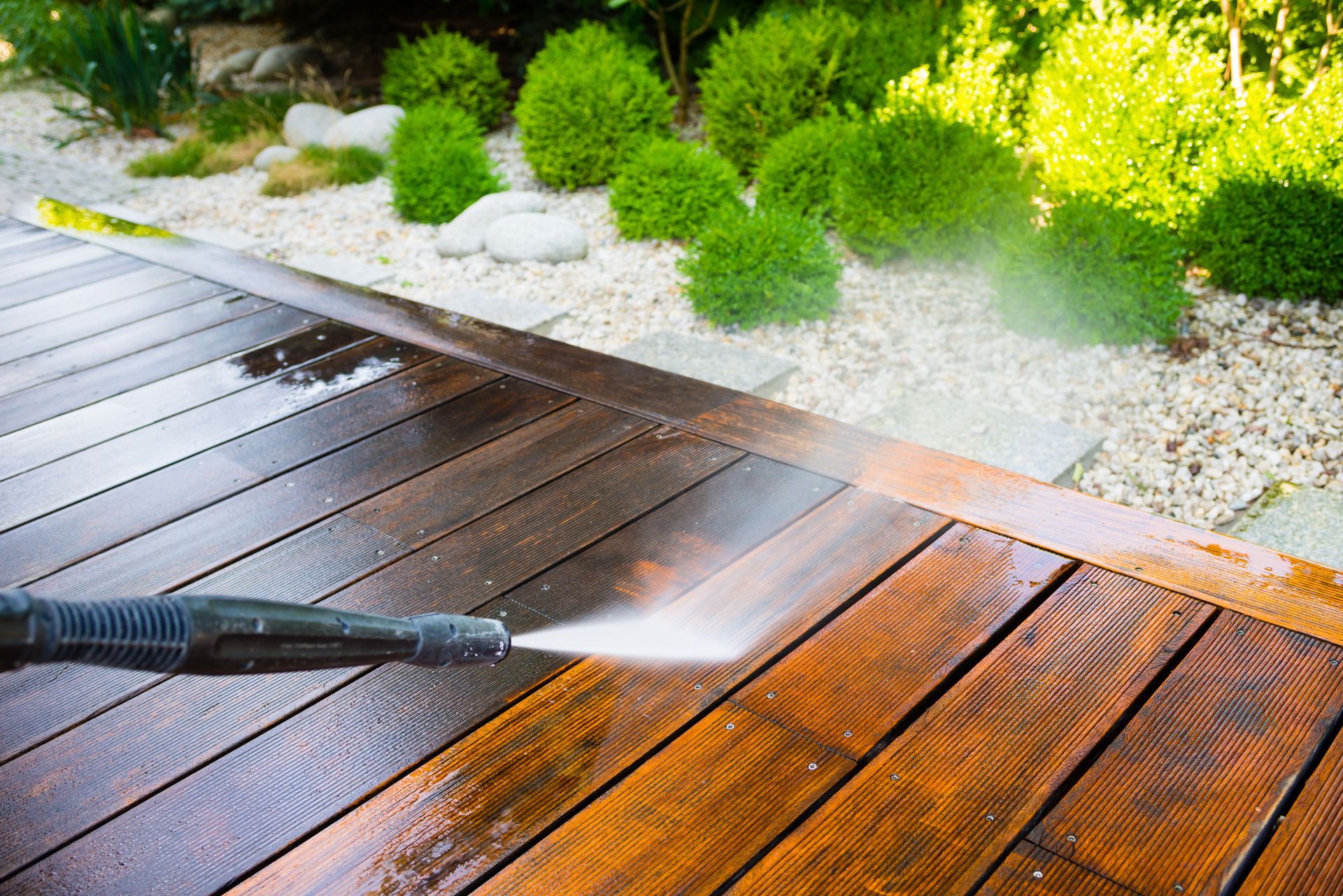
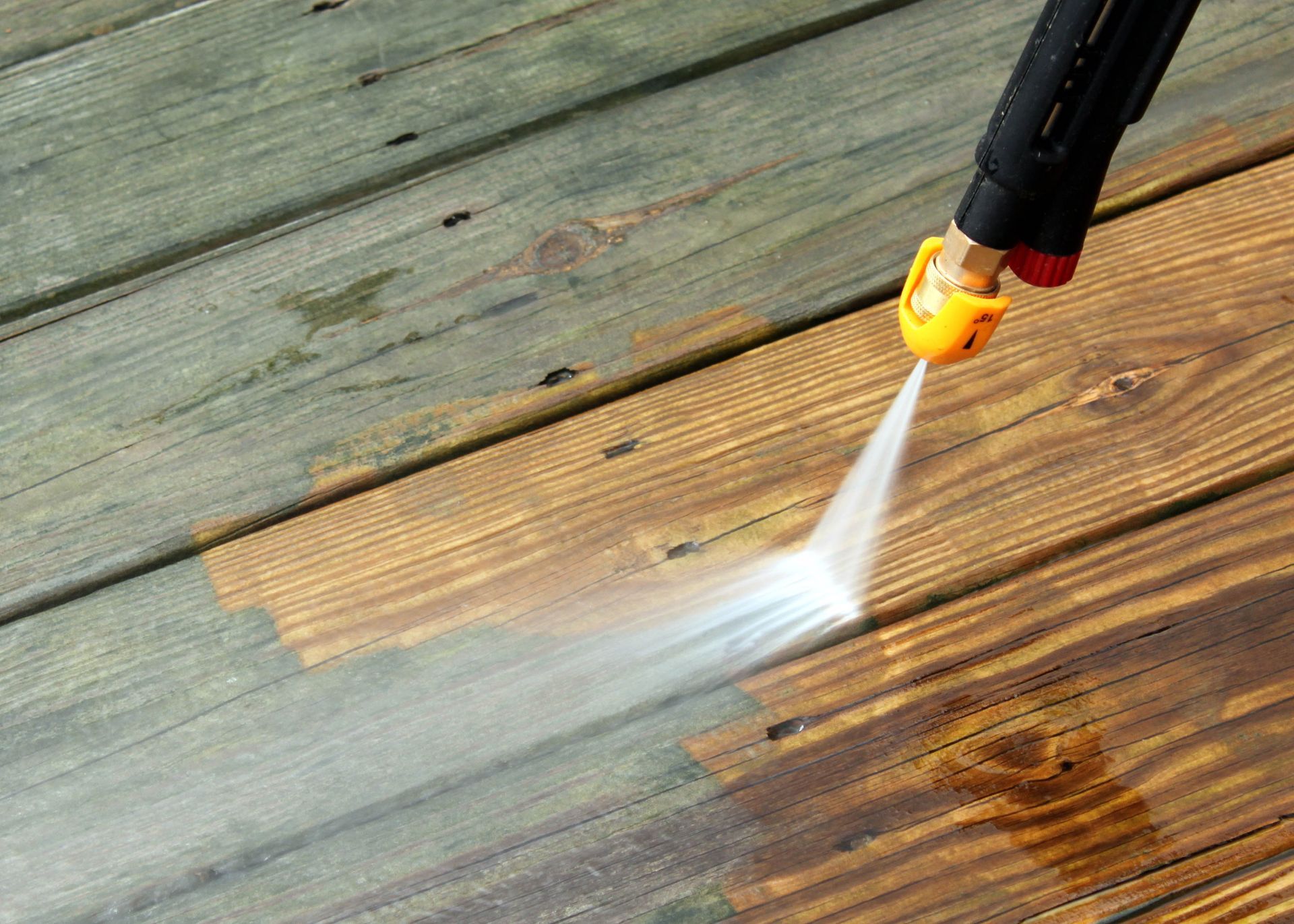
According to HomeGuide, exterior specialists advise that a home should receive pressure washing at least once per year. Applying this annual care philosophy to wooden and composite deck assemblies prevents permanent structural rot, deep wood discoloration, and fiber decay. Professional pressure cleaning lifts embedded fungal roots without stripping protective finishes or splintering delicate wood grains. Restoring boards to spotless condition creates a revitalized foundation that readily accepts fresh protective sealants while providing a clean environment for backyard hosting and everyday family enjoyment.
Composite decking materials also require dedicated attention, as textured synthetic surfaces can trap airborne spores between simulated grain patterns. Clearing these contaminants through proper washing methods preserves surface color balance and prevents mold from spreading into structural joists.
3. Exterior Siding and Trim
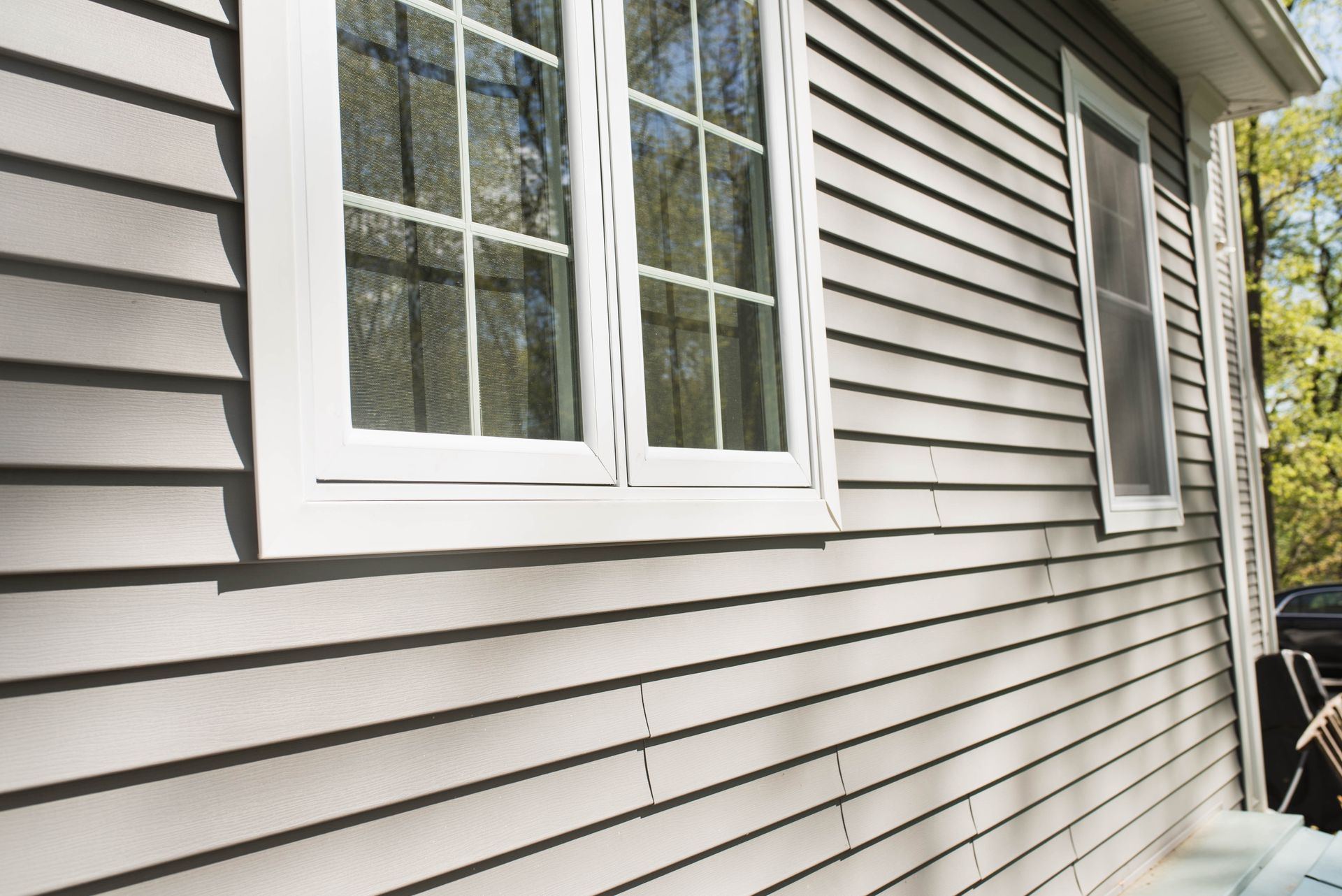
Vertical house siding constantly shields interior living quarters from seasonal winds, driving rains, and airborne pollutants. Over extended spans, shaded exterior elevations develop green streaks of algae, fuzzy moss, and powdery mildew blooms. Vinyl panels, fiber cement boards, painted wood claddings, and decorative exterior trims capture airborne dust, road exhaust, and tree sap, resulting in a dull, aged appearance across the entire neighborhood facade.
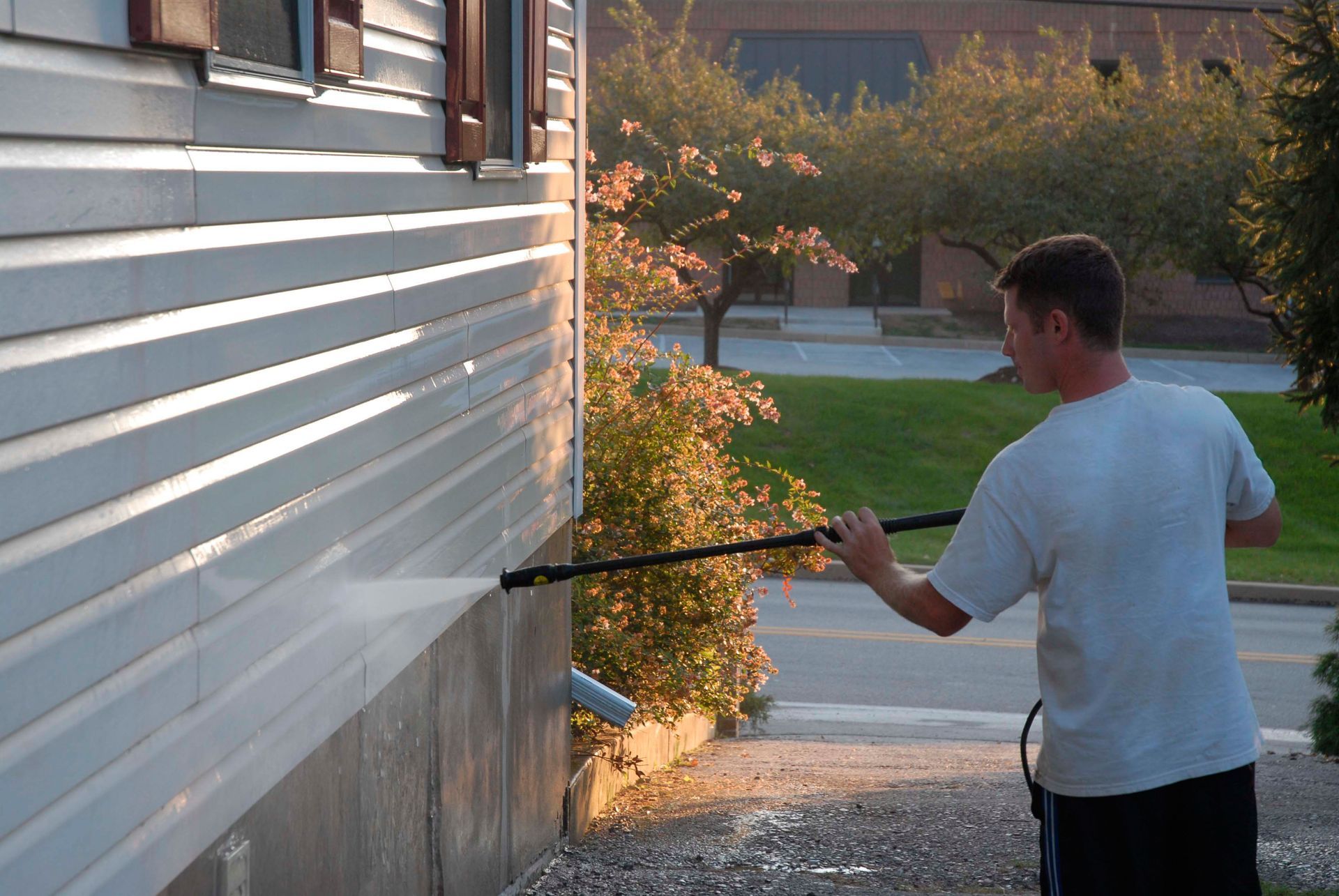
Neglecting dirty building siding allows aggressive biological contaminants to penetrate underneath overlapping panel edges, where trapped moisture can damage protective building wraps and exterior wall sheathing. Routine pressure cleaning strips away stubborn stains, washes away seasonal pollen blankets, and eliminates destructive mold colonies from siding profiles. Keeping your perimeter cladding spotless elevates neighborhood visual appeal while safeguarding the structural envelope from hidden environmental decay and premature material degradation.
Removing dark biological streaks restores vibrant exterior coloring, helping your siding look refreshed and well-tended across every architectural elevation.
4. Backyard Patios and Porches
Backyard entertaining spaces receive heavy foot traffic from family members, pets, and neighborhood guests. Exposed patio surfaces collect food spills, spilled beverages, charcoal dust from grilling stations, and decaying leaves blown across yard perimeters. In shaded areas, moisture pools beneath outdoor furniture arrangements, creating ideal breeding grounds for stubborn lichen patches, persistent moss, and resilient black algae blooms.
Eliminating accumulated grime from patio pavers, natural flagstones, and poured slabs requires specialized surface treatment that penetrates microscopic crevices. Performing thorough pressure cleaning washes deep into intricate paver joints, lifting ground-in dirt, removing stubborn grease deposits, and sweeping away slippery biofilm residues. A spotless patio transforms ordinary backyard yards into clean, inviting extensions of indoor living space ready for outdoor dining, seasonal relaxation, and weekend gatherings.
Eradicating grime from textured patio stones ensures smooth walking conditions and prevents outdoor seating areas from transferring dirt onto indoor flooring.
5. Brick Pavers and Retaining Walls
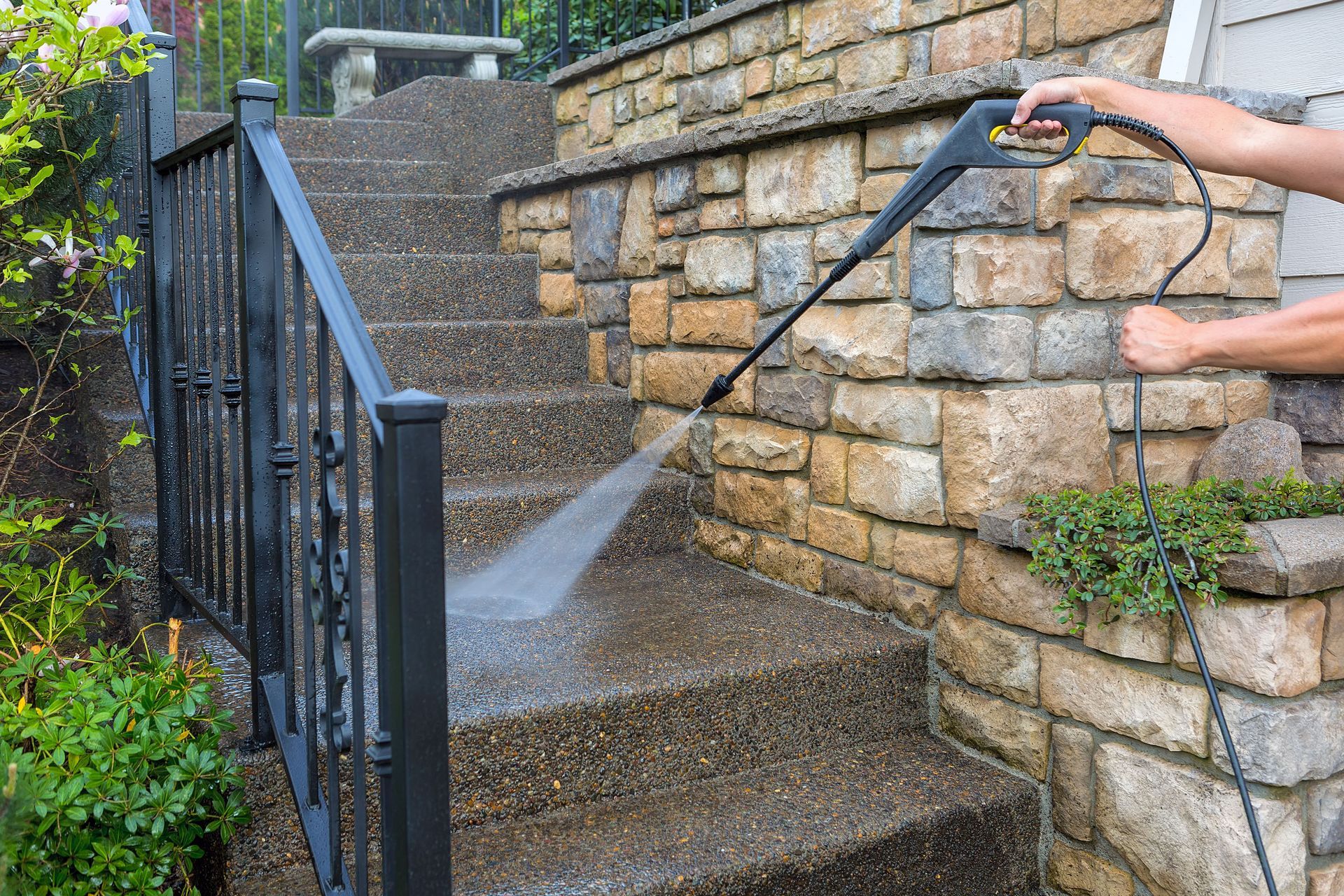
Decorative retaining walls and architectural brick features add exceptional dimension, structural soil retention, and visual character to residential landscapes. However, because retaining walls directly hold back moist soil embankments, moisture continually migrates through porous brickwork and mortar joints. This persistent moisture migration creates unsightly white efflorescence deposits, where dissolved mineral salts crystallize on outer masonry faces as water evaporates into the open air.
Beyond mineral deposits, damp vertical brickwork provides an optimal substrate for tenacious moss, liverworts, and lichen growth. Over extended intervals, moisture-seeking root systems work deep into mortar joints, gradually weakening bond strength between individual bricks. Applying specialized pressure cleaning dislodges stubborn mineral salts, strips off destructive vegetation, and restores natural color tones across perimeter landscaping barriers without damaging delicate mortar joints or compromising structural integrity.
Well-maintained brick walls create sharp, polished focal points that enhance lawn perimeters and complement surrounding garden beds.
6. Wooden and Vinyl Fences
Boundary fences define property lines, deliver essential privacy, and frame residential yards, yet they remain exposed to constant environmental weathering. Sprinkler overspray frequently leaves chalky mineral scale across fence pickets, while splashing garden soil deposits muddy residues along bottom rails after heavy rainstorms. Shaded fence sections quickly succumb to mildew patches, turning once-bright vinyl yellowish-gray and weathering natural wood pickets to an uneven, weathered finish.
Revitalizing weathered boundary barriers requires consistent washing techniques that address underlying staining without gouging surface textures. Implementing systematic pressure cleaning removes splattered soil, eliminates fungal discolorations, and washes away dried irrigation minerals from vertical pickets and horizontal support posts. Restoring boundary fencing improves perimeter aesthetics, protects fencing materials from premature rot, and keeps residential boundaries looking crisp, vibrant, and well-maintained throughout every season.
Maintaining a clean residential property involves addressing specialized exterior surfaces before environmental residues cause irreversible material damage. From high-traffic entry driveways and relaxing backyard entertainment decks to vertical house cladding, boundary fences, and decorative retaining walls, routine outdoor washing maintains structural durability and enhances neighborhood curb appeal across your entire landscape.
If you are ready for exceptional exterior care and spotless outdoor surfaces, contact us at Pullin Hose Pressure Washing LLC today. We will help you restore every outdoor space across your property to pristine condition with pressure cleaning.
Share On: